



In the modern financial landscape, many individuals focus exclusively on their primary income streams while overlooking the dormant capital sitting in their drawers, garages, and attics. The concept of “hidden wealth” is not just a metaphor; it is a reality for anyone who has accumulated possessions over the years. By shifting your perspective from seeing clutter to seeing inventory, you can unlock significant cash flow. This article explores a variety of methods to liquidate assets you already own, ranging from high-end jewelry to industrial scrap, ensuring that you maximize the return on every item.
Tapping Into Hidden Wealth in Your Jewelry Box
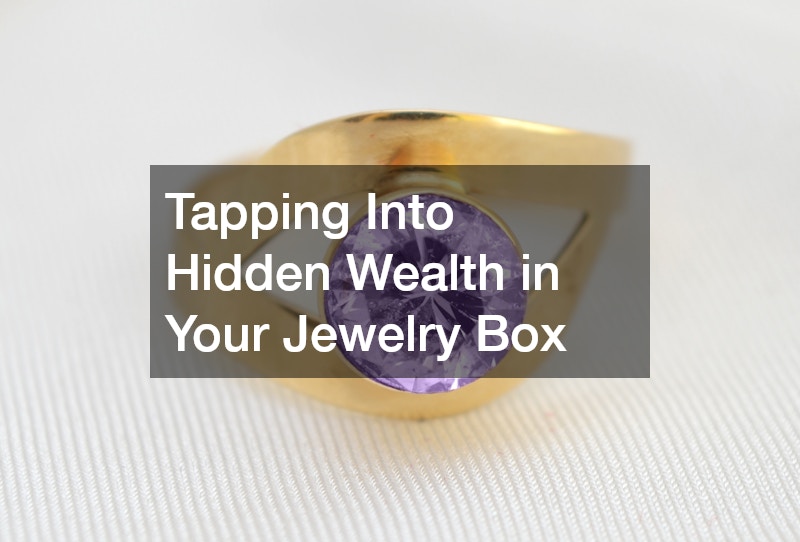
Many people keep heirloom items tucked away for years without realizing their current market potential. While sentimental value is important, a financial audit of your jewelry collection can reveal items that no longer serve a purpose in your wardrobe but hold substantial resale value. For instance, a classic set of pearl earrings or a vintage necklace can be converted into liquid cash relatively quickly if you know where to look. Understanding the current demand for specific stones and styles is the first step toward a successful sale.
Before attempting to sell any piece of jewelry, it is crucial to understand the factors that determine its market price. Gemstones are evaluated based on clarity, color, cut, and carat weight. Professional certifications can help verify these attributes, providing you with a baseline for negotiations. Even if a piece is slightly damaged, the stones themselves often retain significant value for those looking to reset them into new designs.
The secondary market for jewelry fluctuates based on consumer trends and the price of the metals used in the settings. Online marketplaces and auction archives are excellent resources for determining what similar items have sold for recently. It is important to distinguish between the replacement value, which is what you would pay for a new item, and the resale value, which is what a buyer will actually pay for a pre-owned piece.
Choosing where to sell your jewelry depends on your priorities regarding speed and profit. High-end auction houses may offer the highest returns for exceptional pieces, but they often take a significant commission and involve long waiting periods. Specialized boutique buyers may offer a faster transaction with a more personalized experience, ensuring that the unique history and craftsmanship of your items are properly recognized.
Maximizing Returns on Precious Metal Assets
Precious metals have long been considered a haven for investors, and this extends to physical items like broken chains, old dental work, or outdated trophies. When you decide to sell gold or other valuable metals, you are participating in a global market that values the raw material over the form of the item. This makes it one of the easiest ways to generate cash, as the purity and weight of the metal are the primary determinants of price.
The purity of gold is measured in karats, with twenty-four karats being pure gold. Most jewelry is made of ten, fourteen, or eighteen-karat gold to increase durability. Before selling, you should check for hallmarks that indicate the purity level, as this will directly affect the offer you receive. Knowing the math behind the weight and purity allows you to estimate the melt value of your items before you even step into a store.
Commodity prices for precious metals are updated constantly on global exchanges. If you are not in a rush, monitoring these prices can allow you to time your transaction for a period when the market is high. Economic uncertainty often drives up the price of gold, making it an ideal time to liquidate items that are sitting unused. Keeping an eye on financial news can give you a significant edge in maximizing your payout.
For items that may have artistic or historical significance beyond their metal content, a professional appraisal is essential. An appraiser can identify marks from famous designers or historical eras that could make the item worth significantly more than its weight in gold. Should you choose to pawn jewelry, this step ensures that you do not accidentally melt down a rare collector’s piece for a fraction of its true worth.
Assessing the Value of Rare Collectibles
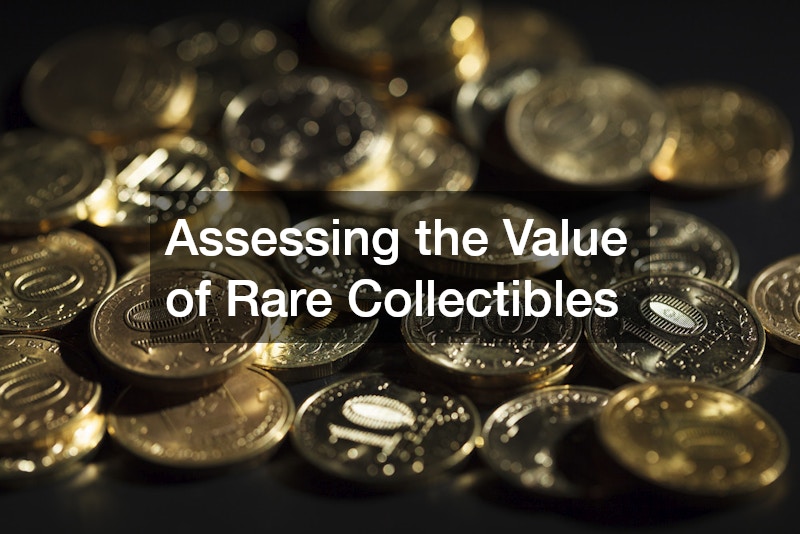
Collections that start as hobbies can eventually turn into significant financial assets. Whether you have inherited a collection or spent years building one yourself, there comes a time when liquidating these items can provide a helpful financial boost. Connecting with a reputable coin buyer or an expert in your specific niche is the most effective way to ensure you receive a fair price for your accumulated treasures.
The value of a coin is determined by its rarity, condition, and historical significance. Even small variations in a minting year or a specific error can drive the price of a common-looking coin into the thousands of dollars. Using high-resolution magnifiers and consulting updated price guides can help you identify which pieces in your collection are the “keys” that hold the most value.
The condition of a collectible, often referred to as its “grade,” is paramount. Cleaning coins or antiques can often decrease their value by removing the natural patina that collectors look for. Proper storage in acid-free containers and climate-controlled environments prevents degradation. When presenting items to a buyer, having them well-organized and protected demonstrates that you are a serious seller who understands the value of the assets.
For truly rare items, the local market may be too small to generate a competitive price. Global auction platforms allow you to reach collectors from all over the world, increasing the likelihood of a bidding war. These platforms provide extensive marketing and authentication services, giving both the buyer and the seller confidence in the transaction.
Utilizing Short-Term Financial Solutions
Sometimes the goal of selling items is not just to clear space, but to bridge a temporary financial gap. In these scenarios, speed and convenience are the most important factors. Visiting a local pawn shop can provide an immediate infusion of cash without the lengthy approval processes associated with traditional bank loans. This allows you to leverage your personal property as collateral while retaining the option to reclaim the items later.
A pawn loan is a simple agreement where you provide an item of value in exchange for a cash loan based on a percentage of that item’s worth. The item is held securely by the lender until the loan is repaid with interest. This is a non-recourse loan, meaning that if you choose not to repay it, your credit score is not affected; the lender simply keeps and sells the item to recover their funds.
Using assets as collateral is a sophisticated way to manage liquidity without permanently parting with your possessions. This can be particularly useful for seasonal workers or small business owners who face occasional cash flow fluctuations. By understanding the value of your high-ticket items, you can treat your home inventory as a personal line of credit.
Every lender has different terms, so it is wise to shop around. Some may offer lower interest rates but stricter repayment schedules, while others might offer more flexibility. It is important to read the fine print regarding grace periods and renewal options. Being an informed borrower ensures that you can use these financial tools effectively without falling into a cycle of high-cost debt.
Navigating Specialized Commodity Dealers

When dealing with high-value items like bullion or investment-grade jewelry, it is often best to bypass generalists and seek out specialized dealers. A professional gold buyer has the equipment and the volume to offer tighter spreads, meaning the difference between what they pay you and the market price is smaller. These dealers are focused on the volume of trade rather than high margins on individual pieces.
Trust is the most important component of any high-value transaction. You should look for dealers who are members of professional organizations or have long-standing reputations in the community. Checking online reviews and verifying their business licenses can protect you from unscrupulous actors. A legitimate dealer will always be transparent about their pricing structure and the methods they use to test your items.
When you bring your items in for a quote, the process should happen right in front of you. Scales should be calibrated and clearly visible, and the dealer should explain how they are arriving at their valuation. If a dealer takes your items to a “back room” to weigh them, it is usually a sign that you should take your business elsewhere. Transparency builds confidence and ensures a fair trade.
Don’t be afraid to negotiate, especially if you have a large quantity of items. Dealers are often willing to take a smaller percentage of the profit if it means securing a high-volume deal. Bringing in multiple quotes from different buyers can also give you leverage during the negotiation process. Knowing the exact spot price of the commodity you are selling is your best tool for ensuring you aren’t being underpaid.
Finding Value in Industrial Waste and Household Debris
Many homeowners are sitting on a literal goldmine of scrap material in their garages or sheds without realizing it. Aluminum siding, copper piping, and brass fixtures are all worth money at a local yard. Contacting a metal recycler can turn a weekend cleanup project into a profitable endeavor. This process not only puts money in your pocket but also contributes to the sustainability of the manufacturing industry.
The first step in scrapping is distinguishing between ferrous metals, which contain iron and are magnetic, and non-ferrous metals, which are not. Non-ferrous metals like copper, aluminum, and brass are significantly more valuable than iron or steel. A simple magnet can help you sort your haul; if the magnet doesn’t stick, you’ve likely found a more profitable material.
A scrap metal recycling company will pay more for “clean” scrap. This means removing plastic insulation from copper or separating steel screws from aluminum frames. By putting in a little bit of manual labor to sort and clean your materials, you can often double or triple the price per pound you receive at the scale. It is a classic example of how time investment can directly translate into increased profit.
Beyond the financial gain, recycling metal is a vital part of protecting the environment. Mining new ore is an energy-intensive and ecologically damaging process. By bringing your old appliances and construction debris to a professional facility, you ensure that these materials are processed safely and reintroduced into the supply chain, reducing the need for new mining operations.
Recovering Profits From Electrical and Infrastructure Components
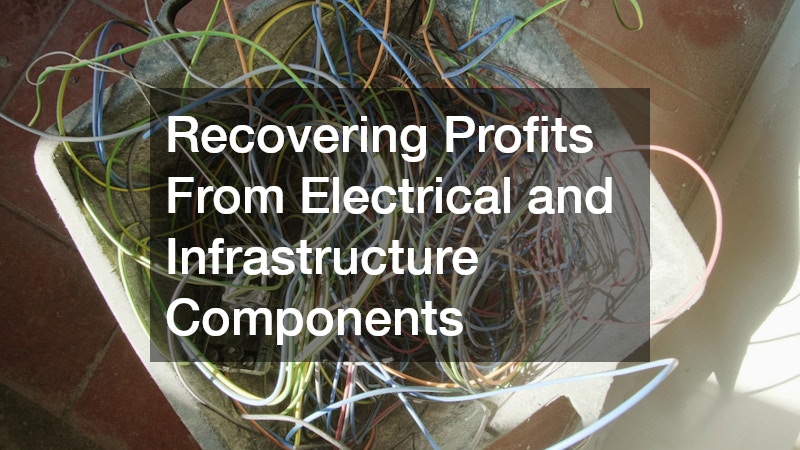
Electrical components are among the most valuable items in the recycling market due to their high copper content. If you are updating the wiring in an older home or disposing of old machinery, you likely have a significant amount of insulated wire. Using a wire recycling service is the most efficient way to process these items, as they have specialized machinery to separate the metal from the plastic casing.
While you can sell insulated wire as-is, the price is much lower because the weight includes the plastic coating. If you have the time and the proper tools, stripping the insulation to reveal the bright, shiny copper underneath will yield the highest possible price. This “Bare Bright” copper is the gold standard of the scrap industry and is always in high demand.
Handling old electrical components requires caution. You must ensure that all power is disconnected and that you are not dealing with hazardous materials like lead or mercury, which were common in older industrial components. Wearing protective gear and using the right tools will prevent injuries and ensure that the process remains profitable and safe.
Advancements in recycling technology have made it possible to recover metals from even the most complex electronic waste. Modern facilities use magnetic separators, eddy currents, and optical sorters to pull valuable metals out of shredded materials. This means that even items that seem like junk, such as old circuit boards or computer power supplies, can be processed for their trace amounts of precious and base metals.
On a larger scale, the act of individuals liquidating unused assets has a surprisingly positive effect on the broader economy. When you sell items you no longer need, you are increasing the velocity of money and ensuring that resources are allocated to where they are most valued. This localized activity contributes to overall economic growth by supporting small businesses and secondary markets.
Making money from things you already have is a practical and empowering financial strategy. By taking the time to audit your home, understand the market for various commodities, and connect with professional buyers and recyclers, you can turn clutter into capital. Whether you are selling precious metals, rare collectibles, or industrial scrap, the keys to success are research, organization, and a willingness to negotiate. Start looking around your home today—you might be surprised at the wealth waiting to be discovered just beneath the surface.